English
 Pусский
 Español
For pharmaceutical manufacturers, the journey of a glass vial from filling to final packaging is fraught with risk. The sudden, sharp crack of a vial breaking on a high speed blister packing machine is more than just an auditory disruption. It signifies product loss, expensive downtime for cleaning, and potential safety hazards for operators. The high value of many injectable and biotech drugs makes each broken vial a significant financial blow.
While a perfectly manufactured glass container is strong enough to withstand normal processing, its strength is compromised by microscopic flaws and the mechanical stresses encountered on the line.
This guide will explore a multi-faceted approach to minimizing vial breakage, focusing on strategies related to equipment design, gentle handling, and protective packaging to help you safeguard your products and maintain production efficiency.
Understanding Why Vials Break: More Than Just Fragile Glass
Vial breakage is rarely a simple case of "glass being fragile." It is typically the result of a combination of factors. Defects on the glass surface, such as scratches or micro-cracks, are a major cause, as these weak points can fail when mechanical load is applied during processing or transport. These flaws can originate during manufacturing or be introduced through glass-to-glass contact and glass-to-metal contact on the packaging line.
The problem is acute for certain formats. For example, a 2022 FDA announcement detailed a nationwide recall of a drug due to the risk of glass vials breaking. While this specific case involved breakage during preparation for administration, it underscores the severity of the issue and the real-world consequences, including patient and operator injury. Therefore, a comprehensive strategy must address both the inherent strength of the container and the handling environment it encounters.
The Role of Equipment Design in Preventing Breakage
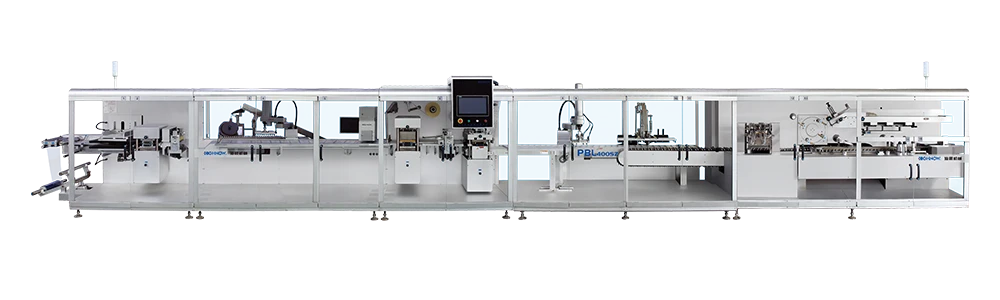
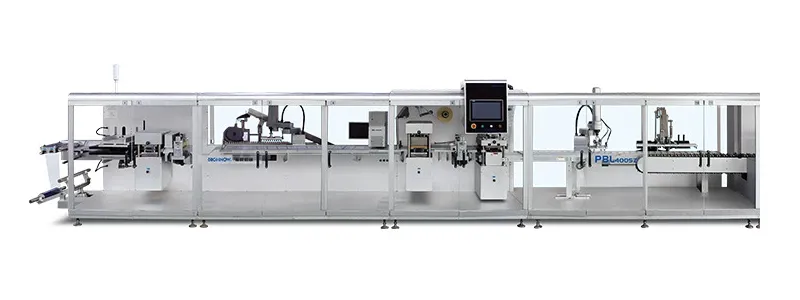
The design of your blister packaging line is the first line of defense. At the heart of modern prevention is the principle of gentle handling. The goal is to minimize sudden accelerations, impacts, and friction that can stress the glass.
Specifically, consider these equipment features:
-
Servo-Driven, Cam-Controlled Motion: Replacing traditional pneumatic systems with servo-driven pick-and-place mechanisms, which use cam profiles for smooth acceleration and deceleration, dramatically reduces jarring impacts. This results in a much lower breakage rate, even for delicate glass containers.
-
Specialized Container Feeders: The way vials are fed into the blister is critical. Systems like the LiPro feeder from Uhlmann are designed for "the particularly gentle handling of parenteral products." These feeders use a servo-controlled separating roller and robot system with vacuum grippers to place vials into blisters, avoiding the drop heights and glass-to-glass contact of older systems.
-
Precision Nesting and Holding: Once inside the packaging line, vials must be held securely but gently. V-shaped, soft-tip inserts in the transport pucks cradle the vial and prevent movement that can lead to scratches or impact. For very high-value drugs, advanced robotic systems can even use magnetic levitation to move vials, ensuring there is no glass-to-glass contact at all.
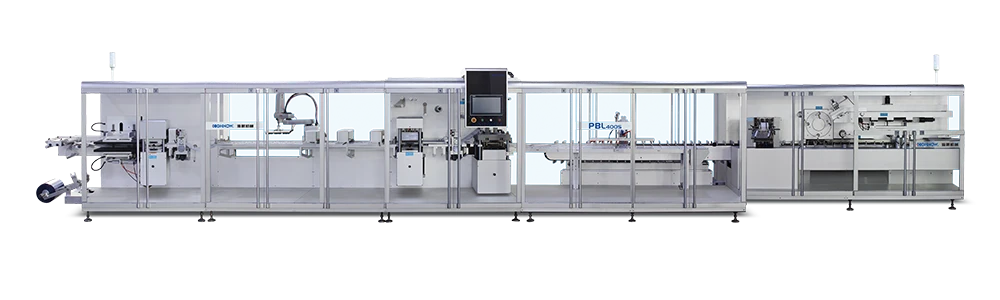
For more detailed information on designing a modern, gentle-handling line, explore the technical specifications of our integrated blister-cartoning solutions.
Considering Protective Packaging: An Additional Safety Net
When the product being packaged is exceptionally high-value or hazardous, an additional layer of protection can be incorporated beyond the blister itself. This approach acknowledges that risks can exist not only on the packaging line but also during transport and downstream handling.
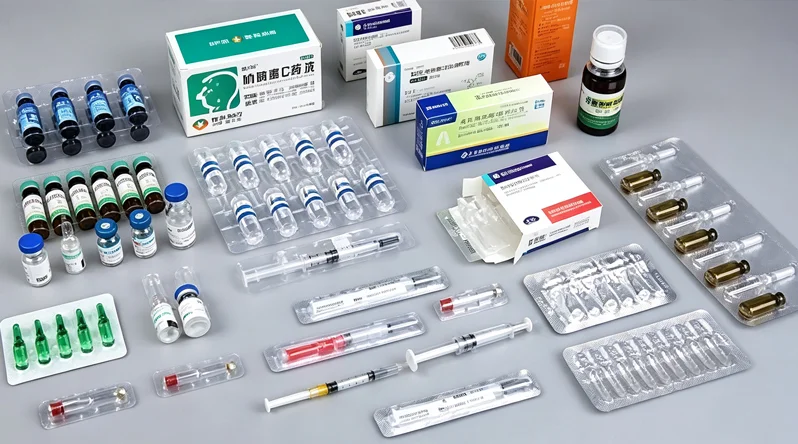
This often involves a "container-in-container" concept, where the primary glass vial is protected by a secondary plastic cup or protector.
-
Purpose and Function: These plastic protectors hold the glass vial firmly to prevent movement and shatter on impact. Studies have shown that cup-type and base-type packaging can significantly reduce breakage and contain spills when vials are dropped from heights common in clinical and pharmacy settings. This not only prevents product loss but also protects personnel from exposure to toxic drugs.
-
Standardized Solutions: Some companies have developed standardized protective solutions that can accommodate multiple vial sizes (e.g., 3ml to 20ml) using the same outer geometry. This allows pharmaceutical manufacturers to fill and process different vial sizes on the same filling and packaging line, simplifying logistics and reducing costs.
-
Advanced Protective Labels: Another evolution is a system that integrates a thick plastic cup with a shrink-tack label to create robust, multi-layer protection. This is used in Japan for high-potency drugs where container breakage must be near-zero.
This strategy is particularly relevant when you are looking to minimize risk and can be a critical factor in protecting an expensive or sensitive product.
Evaluating Your Line: A Practical Approach to Selection
So, how do you determine the best approach for reducing breakage on your blister packaging line? Use the following framework to guide your evaluation:
-
Assess Your Product's Value and Sensitivity: The higher the value per vial or the more hazardous its contents, the more justification there is for investing in advanced handling technology.
-
Examine the Current Breakage Rate: What is your current percentage of vial breakage? Identifying the primary failure points (e.g., breakage at the infeed, during blister loading, or after sealing) will help pinpoint the most impactful solutions.
-
Request Performance Validation Testing: Before making a significant equipment investment, have potential suppliers run a trial with your specific vials and blister materials. This is the only way to verify that a machine's "gentle handling" claims hold up with your product.
-
Consider Integration with Existing Lines: If you already have a high-quality vial filling line, ensure that any new blister packaging equipment can be seamlessly integrated. Maintaining synchronized material flow prevents bottlenecks and reduces opportunities for mishandling.
The Next Step: From Strategy to Specifics
Reducing vial breakage is not about a single magic bullet but a holistic strategy that combines robust equipment design with the right protective packaging. By focusing on systems designed for gentle handling and understanding the supplementary value of secondary protective packaging, you can significantly reduce costly downtime and product loss.
Once you have clarified these key decision factors, such as your required output and the criticality of your products, comparing the specific specifications of available options is the logical next step. You can review HIGHNOW's blister packaging series for high-volume scenarios or explore our integrated line solutions for gentle end-to-end handling.
Related Reading
-
How a Modern Vial Blister Packaging Line Works
-
Vial Blister Line: GMP-Compliant Auto Pharma Packaging Solutions
-
PVC vs Alu Blister Packaging: Which Material Is Right for Your Vial Products?
-
Vial Blister Packaging Equipment for Pharmaceutical Industry Small Vial Packing