English
 Pусский
 Español
Article Overview: This article provides an educational overview of automatic packaging machinery, explaining core technologies, common configurations, and decision criteria for technical buyers and operations leaders. Whether you are selecting your first automated line or upgrading existing equipment, understanding the principles behind these systems helps align procurement with production goals.
Contents
- What Is Automatic Packaging Machinery?
- How Does Automatic Packaging Machinery Improve Production Efficiency?
- Key Components of Automatic Packaging Machinery
- Selection Criteria for Automatic Packaging Machinery
- Integration Considerations for Automatic Packaging Lines
What Is Automatic Packaging Machinery?
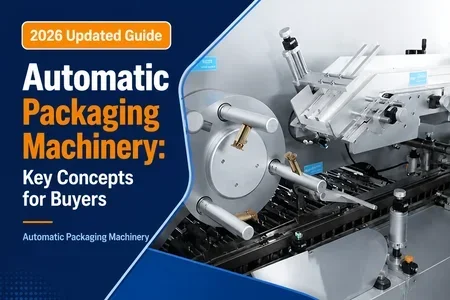
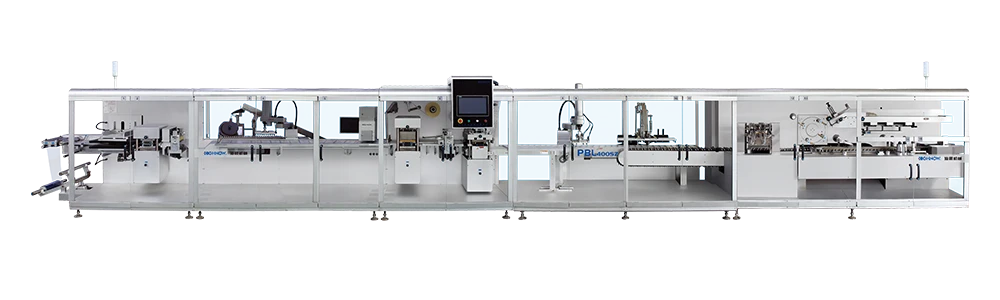
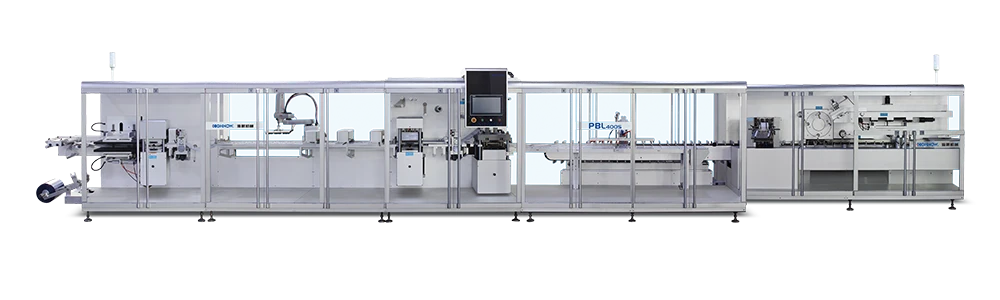
Automatic packaging machinery refers to equipment that performs packaging tasks with minimal human intervention, typically controlled by programmable logic controllers (PLCs) or industrial computers. These machines handle product infeed, forming, filling, sealing, labeling, coding, and case packing in a coordinated sequence. In modern facilities, they form the backbone of high-throughput operations, especially in pharmaceutical, food, and cosmetics industries where precision and hygiene are critical.
The term “automatic” implies that the machine can execute its cycle without operator action once set up. This contrasts with semi-automatic equipment that requires manual loading or activation. Fully automatic systems can integrate with upstream and downstream conveyors to create continuous production lines. For a comprehensive list of commonly asked questions, refer to the Automatic Packaging Machinery FAQ.
How Does Automatic Packaging Machinery Improve Production Efficiency?
Efficiency gains come from several factors that compound when machines are properly specified and integrated. Below are the primary levers:
- Speed and throughput: Automatic machines operate at consistent cycle rates, often exceeding 60 cycles per minute for cartoning or blister sealing, depending on product size and format.
- Reduced labor dependency: One operator can oversee multiple machines, and changeover times are minimized through servo-driven adjustments and recipe storage.
- Quality consistency: Sensors and vision systems detect defects in real time, rejecting non-conforming packages before they reach the end of the line.
- Data collection: Modern controllers log production metrics, enabling OEE analysis and predictive maintenance scheduling.
When evaluating a new line, engineering managers often map current manual or semi-automatic steps to identify where automation delivers the highest return. A phased approach—starting with one machine and later linking it to upstream or downstream equipment—can reduce capital risk.
Step 1: Assess Baseline Processes
Document current packaging steps, cycle times, and defect rates. Identify bottlenecks: for example, a manual cartoning station may be the slowest point. Prioritize automation where labor cost or throughput constraints are highest.
Step 2: Define Technical Requirements
Specify product dimensions, package format, line speed, and regulatory needs (e.g., cGMP for pharmaceuticals). Include ergonomic considerations for maintenance access and changeover. This specification becomes the basis for vendor inquiries and machine design.
Key Components of Automatic Packaging Machinery
Understanding the main building blocks helps in comparing supplier proposals. While configurations vary, most lines include the following modules:
- Product feeding system – e.g., bottle feeders, tablet counters, or vibratory bowls orient and singulate product for packaging.
- Forming and filling station – creates the primary package (blister, pouch, bottle) and inserts the product.
- Sealing and closing unit – applies heat seal, induction seal, or capping to close the package.
- Labeling and coding equipment – applies labels and prints lot numbers, expiry dates, or barcodes.
- Secondary packaging units – cartoning machines, bundlers, case packers, and palletizers prepare products for distribution.
Each module can be sourced from the same supplier for integrated control, or from specialists if particular performance requirements exist. When designing a line, ensure that throughput and format ranges are compatible across all modules.
Selection Criteria for Automatic Packaging Machinery
Procurement decisions involve trade-offs among cost, flexibility, and speed. The following criteria are commonly evaluated by technical buyers:
- Speed vs. reliability: Higher speed machines often have tighter tolerances and may require more frequent maintenance. Benchmark using OEE, not just maximum cycles per minute.
- Changeover complexity: Machines with tool-less adjustments and recipe recall reduce downtime between product runs. For multi-product lines, prioritize flexibility over raw speed.
- Footprint and layout: Automatic lines occupy significant floor space. Consider future expansion and material flow. Compact designs, such as integrated cartoning-case packing machines, can save space.
- Compliance and validation: In regulated industries, suppliers must provide documentation for IQ/OQ/PQ. Verify that the machinery meets relevant standards (CE, cGMP, etc.).
For further details on these evaluation points, consult the frequently asked questions about Automatic Packaging Machinery.
Integration Considerations for Automatic Packaging Lines
Integrating automatic packaging machinery into an existing factory requires planning across mechanical, electrical, and software domains. Key considerations include:
Phase 1: Mechanical Integration
Ensure conveyor heights, widths, and interfaces match between machines. Use standardized transfer modules (e.g., star wheels, feed screws) to maintain product orientation. Compensate for thermal expansion in heat-sealing sections.
Phase 2: Electrical and Control Integration
Define communication protocols (EtherCAT, Profinet, etc.) and safety stop chains. Coordinate PLC programs to handle product jams, reject stations, and material level signals. Use a central HMI for line-wide monitoring.
Early involvement of the automation supplier during factory layout design can prevent costly rework. It is also advisable to run a site acceptance test (SAT) at the supplier’s facility before shipping to verify line performance with actual product samples.
FAQ
What is the typical payback period for automatic packaging machinery?
Payback periods vary by application, but many projects achieve ROI within 12 to 24 months when labor savings, reduced waste, and increased throughput are factored together. A detailed total cost of ownership (TCO) analysis is recommended before purchase.
How do I choose between a single integrated machine and separate modules?
Integrated machines offer a smaller footprint and simpler controls, but separate modules provide flexibility to upgrade individual stations over time. The choice depends on whether product formats are stable or expected to change frequently.
What maintenance is required for automatic packaging machinery?
Routine maintenance includes lubrication, sensor cleaning, belt tensioning, and periodic replacement of wear parts such as sealing jaws and pusher pads. Advanced PLCs can alert operators to impending failures based on cycle counts or runtime.
Can automatic packaging machinery handle multiple product sizes?
Yes, most modern machines are designed for format flexibility. Changing between sizes may require swap parts or adjustments, but servo-driven stations can automatically adjust to different dimensions within a defined range. Check the machine’s format range in the specification sheet.
Conclusion
Automatic packaging machinery represents a significant investment in production capability. By understanding the core components, efficiency drivers, and selection criteria, technical buyers can make informed decisions that align with operational objectives. Whether you are automating a single station or deploying a complete end-to-end line, a structured procurement and integration process will maximize return on investment. For further guidance, review the dedicated FAQ on Automatic Packaging Machinery for equipment-specific details.