English
 Pусский
 Español
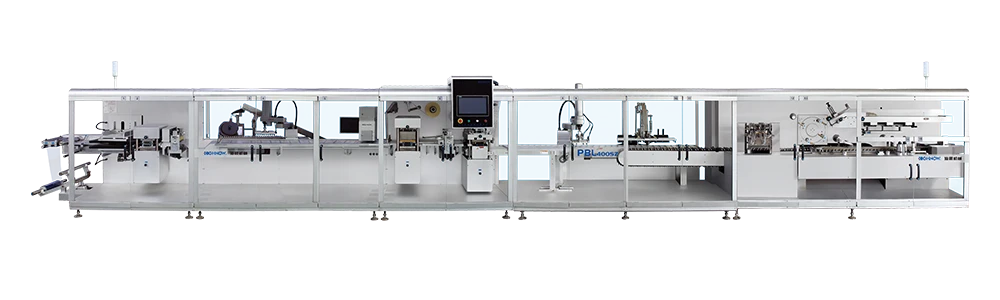
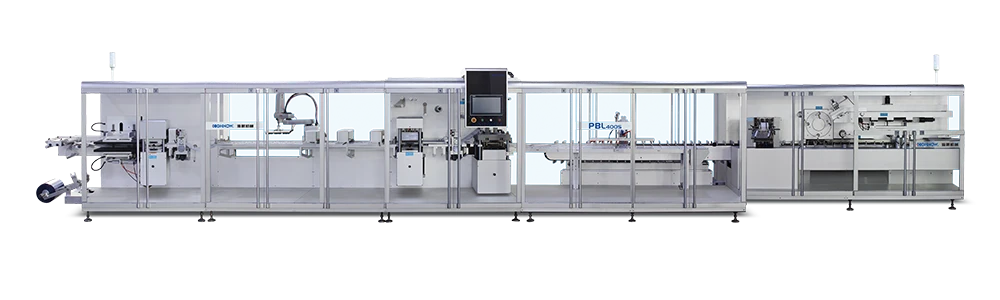
You have invested in a high-speed blister packaging line. The thermoforming station is running smoothly. The vials are being placed gently into cavities. The sealing station applies heat and pressure with precision. But how do you know—truly know—that every single seal is intact? A seal that looks perfect to the naked eye can harbor microscopic channels that allow moisture, oxygen, or microorganisms to compromise your drug product over time.
Blister seal integrity testing is the scientific discipline that answers this question. It is the bridge between "the seal looks good" and "the seal will protect the product through its entire shelf life." This guide explores the science behind the key test methods, the regulatory standards that govern them, and how to choose the right approach for your packaging operation.
Why Seal Integrity Testing Matters
The critical quality attribute of pharmaceutical blister packages is integrity—the ability of the package to maintain a protective barrier against environmental influences throughout the product's shelf life. This integrity is constituted during the heat-seal step, the central process step of primary packaging.
What happens when seal integrity fails:
-
Moisture ingress can degrade hygroscopic drug formulations, reducing potency or causing physical instability.
-
Oxygen ingress can oxidize sensitive APIs, leading to degradation products and reduced shelf life.
-
Microbial contamination can render sterile products unsafe for patient use.
-
Loss of vacuum or modified atmosphere can compromise product stability for packages designed with protective headspace.
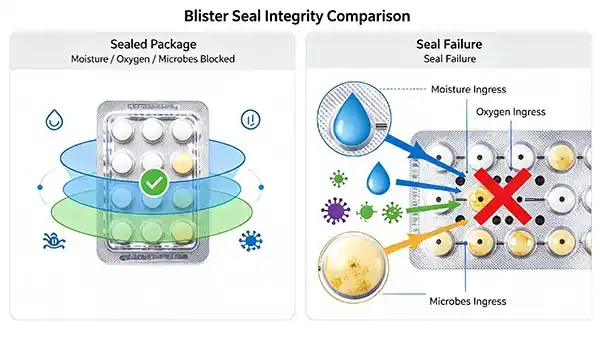
Regulatory authorities including the FDA, EMA, and WHO emphasize container closure integrity (CCI) as an essential requirement for GMP compliance and product approval. In the U.S., 21 CFR 211.94 requires that container-closure systems provide adequate protection and not compromise the product.
For a comprehensive understanding of how blister packaging lines are designed to achieve consistent seals, explore vial blister packaging solutions with integrated quality control features.
The Science of Leak Detection: Key Concepts
Before examining specific test methods, it helps to understand the scientific principles that underpin leak detection.
Leakage rate is the fundamental metric. Absolute leak proofness does not exist—every package has some level of permeability. The question is whether the leakage rate is low enough to maintain product quality throughout the intended shelf life.
Deterministic vs. probabilistic methods:
-
Deterministic methods measure a physical parameter and provide objective, quantitative results. They are repeatable and scientifically defensible.
-
Probabilistic methods rely on the probability that a tracer will find its way through a leak. They are inherently less sensitive and more subjective.
USP <1207>, the chapter on Package Integrity Evaluation for Sterile Products, provides guidance on the selection, validation, and use of leak test methodologies. It underscores the critical importance of evaluating package integrity and highlights the necessity for detection methods to be validated and appropriate for their intended use.
The Major Test Methods for Blister Seal Integrity
Pharmaceutical manufacturers utilise a variety of techniques to ensure the integrity of blister packs, each tailored to meet specific needs and quality assurance requirements.
Method 1: Dye Ingress Testing
The most widely used method is dye ingress testing. This method involves immersing a selection of blister packs in a solution of blue dye and water, then subjecting the packs to a vacuum of typically 200–600 mbar for several minutes. After the vacuum is released, any defective pockets absorb the blue dye, allowing them to be easily identified. The standard procedure is described in the USP and mentioned in the European Pharmacopeia.
Advantages:
-
Cheap and easy to perform
-
Widely accepted and understood
Limitations:
-
Subjective—results depend on visual inspection
-
Time-consuming
-
Destructive—tested packs must be discarded
-
Limited sensitivity—may not detect very small leaks
Recent research published in 2026 has focused on advancing the blue dye ingress test toward quantification of blister integrity by leakage rate, using analytical methods such as optical emission spectroscopy and helium mass spectrometry.
Method 2: Vacuum Decay Leak Testing
Vacuum decay is a deterministic, non-destructive method for container closure integrity testing. ASTM F2338 is the global reference for nondestructive detection of leaks in packages by the vacuum decay method, covering rigid, semi-rigid, and nonporous flexible packs.
How it works:
The test package is placed in an enclosed evacuated test chamber. The method detects package leaks by measuring the rise in pressure in the chamber. Vacuum loss results from leakage of test package headspace gases and/or volatilization of liquid contents located in or near the leak.
Sensitivity:
The method can detect defect diameters down to approximately 10–50 µm depending on package size and test conditions. For rigid, nonporous packages, hole defects of at least 5 µm in diameter can be detected.
Advantages:
-
Non-destructive—packs that pass can be returned to the line
-
Deterministic—provides objective, quantitative results
-
Fast and clean
-
Recognized by the FDA as a consensus standard
Method 3: Vacuum Deflection
ASTM F3169-16 (2024) is the standard test method for leak detection in blister packaging by vacuum deflection method using laser measurement.
How it works:
This test method detects leaks in blister packs by measuring the deflection of the blister pack surface in response to an applied vacuum. Air loss from within a blister pocket as a result of a leak alters the pressure differential, causing a measurable variation in blister pocket deflection.
Sensitivity:
The ability to detect 15 µm, 50 µm, and catastrophic sized holes in four blister pack designs was demonstrated in a study.
Advantages:
-
Non-destructive and non-subjective
-
Clean and fast
-
Typically used in pharmaceutical packaging production, during stability trials, and for package research and development
Method 4: Tracer Gas Leak Detection
ASTM F2391-22 is the standard test method for measuring package and seal integrity using helium as the tracer gas.
How it works:
Leak detectors based upon mass spectrometers detect and quantitatively measure the leakage rate of tracer gases such as helium. Test samples are flooded with tracer gas and placed inside a vacuum chamber. When the chamber is evacuated, any leaking gas is drawn through the analyzer.
Sensitivity:
This is a highly sensitive testing method. The method can be used for leak testing cold-formed aluminium blister packs.
Limitations:
-
Expensive due to the requirement for tracer gas
-
Most applications are destructive, as helium needs to be injected into the package after sealing
Comparative Overview of Test Methods
| Method | Standard | Destructive? | Deterministic? | Sensitivity | Best For |
|---|---|---|---|---|---|
| Dye Ingress | USP, EP | Yes | No | Limited | Lab-scale validation, low-cost screening |
| Vacuum Decay | ASTM F2338 | No | Yes | 5–50 µm | Rigid, semi-rigid, and flexible nonporous packs |
| Vacuum Deflection | ASTM F3169 | No | Yes | 15–50 µm | Blister packs with flexible lidding |
| Tracer Gas | ASTM F2391 | Usually | Yes | Very high | Cold-formed aluminium blisters, high-sensitivity requirements |
Regulatory Framework and Standards
Seal integrity testing for blister packaging is governed by a comprehensive regulatory framework:
FDA Requirements:
-
21 CFR 211.94: Container-closure systems must provide adequate protection
-
21 CFR 211.166: Scientifically sound stability program required
-
FDA guidance recognizes vacuum decay as a validated method for sterile package integrity testing
USP Standards:
-
USP <1207>: Package Integrity Evaluation for Sterile Products—provides guidance on integrity assurance of nonporous packages
-
USP <1207.1>: Package Integrity Testing in the Product Life Cycle—Test Method Selection and Validation
-
USP <1207.2>: Package Integrity Leak Test Technologies
-
USP <1207.3>: Package Seal Quality Test Technologies
ASTM Standards:
-
ASTM F2338-24: Vacuum Decay Method
-
ASTM F3169-16 (2024): Vacuum Deflection Method by Laser Measurement
-
ASTM F2391-22: Helium Tracer Gas Method
EU GMP:
-
Annex 15: Qualification & Validation
Choosing the Right Test Method
Selecting the appropriate seal integrity test method depends on several factors:
1. Product type and value
For high-value products such as biologics or oncology drugs, non-destructive methods like vacuum decay or vacuum deflection offer significant cost savings. Packs that pass the test can be returned to the line or product can be recovered for repackaging. Depending on the value of the drugs and the number of packs tested, the cost savings can be substantial.
2. Package design and materials
-
Cold-formed aluminium blisters: Often require tracer gas methods for adequate sensitivity
-
Thermoformed polymer blisters with flexible lidding: Suited to vacuum deflection
-
Various package types: Vacuum decay covers a broad range
3. Headspace availability
Available headspace is crucial for vacuum methods. Packages with minimal headspace may require alternative approaches.
4. Testing purpose
-
In-process quality control: Non-destructive, rapid methods preferred
-
Stability studies: Typically use destructive methods on representative samples
-
Package development: Both destructive and non-destructive methods may be appropriate
5. Regulatory expectations
Regulatory agencies increasingly expect manufacturers to use deterministic, scientifically justified methods that demonstrate sensitivity, repeatability, and relevance to real-world risks.
Actual Application Scenarios
1. A high-volume vaccine manufacturer
A vaccine producer running a high-speed blister line needs to verify seal integrity for every batch—without slowing production or destroying valuable product.
Key considerations:
-
High throughput requires rapid, automated testing
-
Product value demands non-destructive methods
-
Regulatory scrutiny requires deterministic, documented results
Recommended approach: In-line or near-line vacuum deflection testing integrated with the packaging line, supplemented by periodic vacuum decay testing for validation.
2. A CMO packaging cold-formed aluminium blisters for moisture-sensitive drugs
A contract manufacturer packages oncology drugs in cold-formed aluminium blisters requiring the highest level of moisture protection.
Key considerations:
-
Cold-formed aluminium requires high-sensitivity detection
-
Product value justifies investment in advanced methods
-
Regulatory compliance demands validated, deterministic testing
Recommended approach: Helium tracer gas leak detection for validation and high-sensitivity applications, combined with non-destructive methods for routine quality control.
For customized approaches to seal integrity testing in specific production environments, explore how blister packaging lines can be configured with integrated quality control systems.
Next Steps: From Science to Implementation
Understanding the science behind blister seal integrity testing is the foundation for building a robust quality assurance program. The next steps involve:
-
Define your requirements: What is your product's sensitivity to moisture, oxygen, and microbial contamination? What is the acceptable leakage rate for your shelf life?
-
Select appropriate methods: Based on your package design, product value, and regulatory requirements, choose primary and complementary test methods.
-
Validate your methods: Ensure your chosen methods are validated for their intended use, with documented sensitivity, repeatability, and accuracy.
-
Integrate with production: Implement testing at appropriate points—in-process, batch release, and stability monitoring.
-
Document and maintain: Maintain comprehensive records of test results, equipment calibration, and method validation.
Once you have clarified these key decision factors—such as your product sensitivity, package materials, and regulatory requirements—comparing the specific capabilities of available packaging solutions becomes the next logical step. You can review HIGHNOW's vial blister packaging lines, which are designed with integrated quality control features to support consistent seal integrity, or explore customized configurations for specialized applications.
For additional technical resources on blister packaging quality assurance, read our related guide on vial breakage prevention and handling optimization.
Related Reading
-
How Does a Vial Blister Packaging Line Work? – A Step‑by‑Step Guide
-
What to Know Before Investing in a Vial Blister Line
-
Vial Breakage on Blister Lines? Causes and Fixes
-
5 Tips to Choose a Vial Blister Packaging Machine
-
Vial Blister Packaging 2026: 5 Emerging Technologies
This article is part of HIGHNOW's technical content library. No direct sales or pricing information is included. All technical discussions aim to help you make informed purchasing decisions.