English
 Pусский
 Español
Article Overview: This guide provides procurement professionals, sourcing teams, and project engineers with a structured framework for evaluating packaging machinery suppliers. It covers key stages from requirement definition to supplier validation, helping buyers reduce risk, avoid common mistakes, and make informed decisions that align with production goals.
When your production line depends on reliable packaging equipment, a poorly evaluated supplier can lead to costly downtime, quality issues, and missed deadlines. This article delivers a practical checklist for supplier evaluation and RFQ preparation, focusing on critical checkpoints that separate capable partners from risky ones.
Defining Your Packaging Requirements and Line Integration
Before engaging suppliers, you must have a clear definition of your packaging needs. This stage sets the foundation for a successful RFQ process. Start by documenting the following elements:
- Product characteristics: Dimensions, weight, material, fragility, and any special handling requirements (e.g., sterile or hazardous environments).
- Production throughput: Required output per minute or hour, peak demand scenarios, and future scalability.
- Packaging format: Bottles, vials, blisters, pouches, cartons, or pallets – each requires different machinery types.
- Line integration: How the new machinery will connect with upstream and downstream equipment (feeders, conveyors, labelers, sealers, palletizers). Compatibility with existing control systems (PLC, SCADA) is a critical factor.
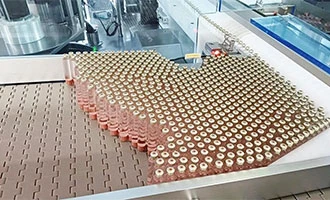
For instance, a pharmaceutical company handling sensitive vials may require gentle feeding systems such as servo-controlled feeders that minimize contact stress. In contrast, a food producer focusing on high-volume bagging may prioritize speed and film wrapping capabilities. Your requirement document should also specify regulatory standards (e.g., cGMP, FDA, CE) that the equipment must meet.
Once requirements are clear, create an RFQ template that asks suppliers to demonstrate how their solution meets each specification. Avoid vague requests; be specific about tolerances, speed ranges, changeover times, and material handling limits. This upfront clarity will significantly reduce misinterpretation and later rework.
Key Supplier Evaluation Criteria: Certifications, Quality Systems, and Track Record
Supplier evaluation goes beyond comparing price lists. You need to assess the supplier’s ability to deliver consistent quality, meet deadlines, and support your operations over the equipment’s lifecycle. Focus on these criteria:
- Certifications and compliance: ISO 9001, ISO 14001, CE marking, UL, or industry-specific certifications (e.g., cGMP for pharma). These indicate a commitment to quality management and regulatory awareness. Ask for copies of current certificates and verify with issuing bodies if necessary.
- Quality systems: Does the supplier have documented procedures for design review, material inspection, assembly testing, and final FAT (Factory Acceptance Test)? Request their quality manual or standard operating procedures.
- Track record and references: Ask for case studies or reference contacts in your industry. A supplier that has delivered similar machinery to comparable production lines is more likely to understand your challenges.
- After-sales support structure: Availability of spare parts, local service engineers, remote diagnostics, and training programs. Downtime is expensive; a responsive support network is invaluable.
For example, a supplier with a dedicated service FAQ and documented quality certifications (such as Quality page details) demonstrates transparency and readiness to support long-term partnerships. When evaluating, also consider the supplier’s financial stability – a financially sound supplier is more likely to honor warranties and provide consistent service.
Create a weighted scorecard for each criterion. Assign higher weight to factors that directly impact your production continuity, such as delivery lead time and after-sales responsiveness. This structured approach prevents emotional decision-making and helps justify your choice to stakeholders.
Validating Technical Capabilities and Machine Performance
Once you shortlist potential suppliers, the next step is to validate their technical claims. A shiny brochure or a polished website does not guarantee performance. Here are essential validation checkpoints:
- Factory Acceptance Test (FAT): Insist on witnessing a FAT at the supplier’s facility. Run your actual product through the machine at the promised speed and observe key metrics like reject rate, changeover time, and repeatability. For example, a high-speed rotary labeling machine must maintain precision at maximum throughput, as seen in some S-750 models that deliver both speed and accuracy.
- Material compatibility tests: Provide samples of your packaging materials (films, labels, adhesives) and request test runs. Some films may cause sealing issues or static problems. Verify that the machine handles your specific materials without adjustments that could slow production.
- Performance data and third-party reports: Ask for original test data, OEE (Overall Equipment Effectiveness) reports from similar installations, or certifications from recognized bodies. Avoid relying solely on self-reported claims. If possible, visit an existing installation to see the machine in long-term operation.
- Flexibility and future upgrades: Can the machine accommodate future product changes? Modular designs that allow easy addition of features (e.g., vision inspection, date coders) are preferable to rigid systems that become obsolete quickly.
Weighing machines that achieve milligram-level accuracy for online product inspection are examples of technical sophistication that can dramatically reduce giveaway and improve compliance. When evaluating such features, request documented accuracy tests under production-like conditions. Also consider the supplier’s engineering support for customization – a one-size-fits-all solution rarely fits perfectly.
Assessing Implementation, Training, and Ongoing Support
Technical capability is meaningless if the supplier cannot deliver on time, train your team effectively, or provide prompt service when issues arise. Evaluate these implementation factors:
- Project management and communication: Who will be your point of contact? Ask for a project timeline with milestones, deliverables, and risk mitigation plans. A supplier that offers a dedicated project manager is often more reliable than one that treats your order as a routine sales.
- Installation and commissioning: Will the supplier handle installation, or is it your responsibility? Clarify the scope: electrical, mechanical, and software integration. Some suppliers provide on-site supervision, which reduces the risk of improper setup.
- Training programs: Ensure operators and maintenance staff receive thorough training. Request training manuals, videos, or interactive sessions. A well-trained team maximizes uptime and extends machine life.
- Spare parts and maintenance contracts: Check the availability of critical spare parts (wear parts, sensors, motors). Some suppliers offer preventive maintenance contracts that include scheduled inspections and priority support. Evaluate the cost-benefit based on your operational criticality.
For instance, a Service page outlining support options can give you a clear picture of what to expect. Ask for average response times for remote and on-site support. A supplier that proactively offers remote diagnostics can resolve many issues without a site visit, saving time and money.
Additionally, discuss warranty terms thoroughly. What is covered, for how long, and what are the exclusions? Understand the process for filing a warranty claim and the expected turnaround time for replacement parts.
Financial Considerations and Total Cost of Ownership (TCO)
Price is important, but it should not be the deciding factor. A low initial price often hides higher operating costs, frequent breakdowns, and expensive spare parts. Adopt a total cost of ownership (TCO) perspective that includes:
- Initial capital expenditure: Machine purchase price, delivery, installation, and any necessary facility modifications (e.g., floor reinforcement, compressed air lines).
- Operating costs: Energy consumption, consumables (lubricants, cleaning agents, change parts), and labor requirements. High-speed machines may reduce labor but increase energy usage – evaluate the trade-off.
- Maintenance and repair costs: Estimated annual maintenance, cost of common spare parts, and frequency of major overhauls. Request a list of spare parts with prices and lead times.
- Depreciation and residual value: How long will the machine remain technologically relevant? Some suppliers offer buy-back or upgrade programs.
- Financing options: Leasing, installment payments, or performance-based contracts (e.g., pay per unit produced). These can free up capital for other investments.
Create a TCO model that projects costs over a 5- or 10-year horizon. Use best- and worst-case scenarios for downtime and maintenance. This analysis will highlight that a slightly more expensive machine from a reputable supplier often yields lower overall costs due to higher reliability and lower spare parts expenses. For example, a wrapping machine with integrated film feeding, folding, and heat sealing reduces material waste and changeover time, contributing to a better TCO.
Also consider the financial stability of the supplier. A supplier that is financially distressed may not honor warranties or stock spare parts. Review their financial statements or request credit references. You can also check for Certificates that indicate compliance with international standards, often a sign of a well-managed organization.
Frequently Asked Questions
How many suppliers should I evaluate for a packaging machinery purchase?
We recommend evaluating at least three to five qualified suppliers. This range gives you enough comparison to identify outliers in price and capability, while keeping the process manageable. For specialized or high-value machinery, a smaller pool of two to three pre-screened suppliers is acceptable.
What is the most common mistake procurement teams make when buying packaging machinery?
One common mistake is focusing too heavily on upfront price without considering TCO. Another is skipping the FAT or site visit, which can lead to surprises during installation. Also, underestimating the importance of after-sales support and spare parts availability often results in prolonged downtime later.
Should I require a performance guarantee in the contract?
Yes. A performance guarantee (e.g., minimum throughput, maximum reject rate) aligns the supplier’s incentives with your production goals. Ensure the guarantee includes measurable metrics, testing procedures, and remedies if performance is not met. Liquidated damages or reduction in price are common remedies.
How can I verify a supplier’s claims about previous installations?
Ask for references and contact them directly. Better yet, request permission to visit an existing installation. If travel is not feasible, ask the supplier to provide a video tour of the running machine or a live stream demonstration. Independent case studies or testimonials from well-known companies also add credibility.
Conclusion
Purchasing packaging machinery is a significant investment that directly impacts your production efficiency, quality, and bottom line. By following a structured evaluation framework – from defining requirements to validating technical performance and assessing total cost – you can select a supplier that not only meets your immediate needs but also supports your long-term operational goals.
Use the checklist outlined in this article as a starting point for your RFQ and supplier discussions. Engage your cross-functional team (engineering, operations, maintenance, finance) early in the process to ensure all perspectives are considered. Remember that a thorough evaluation process may take extra time upfront, but it dramatically reduces the risk of costly procurement mistakes.
For a comprehensive look at how leading suppliers structure their offerings and support, explore the packaging machinery overview provided by experienced manufacturers. This can give you a benchmark for evaluating your potential partners. Once you have shortlisted candidates, move to the validation and TCO analysis stages with confidence, knowing you have covered the critical checkpoints.